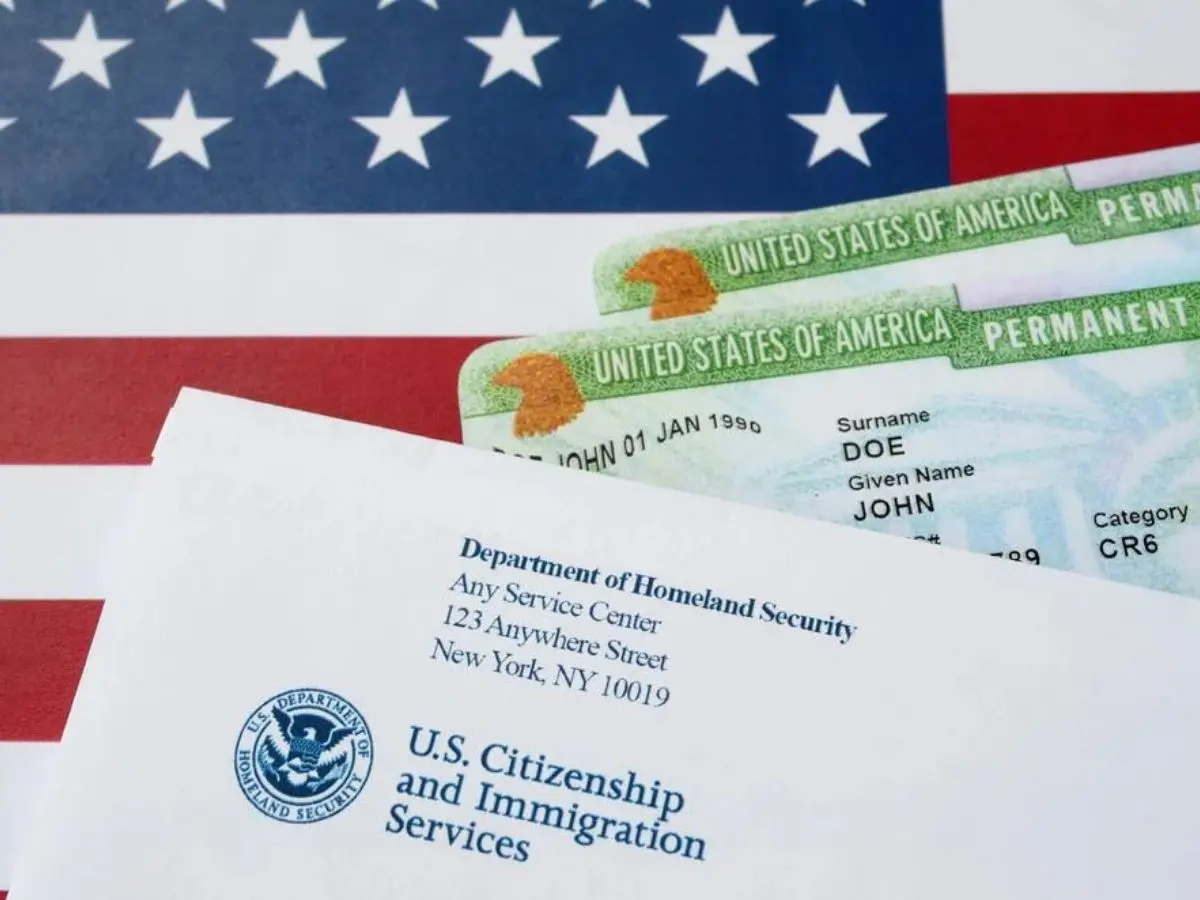
To sponsor someone for a work visa, you offer a specific job, choose the right visa category, get Department of Labor approval when it’s required, and file a petition with USCIS with a Work Visa Lawyer‘s help.
If the employee is abroad, they apply at a U.S. consulate. Most work sponsorship visa cases take several months to a year, depending on the visa type, processing times and whether labor certification is needed.
A Step-by-Step Guide for Employers Sponsoring Foreign Workers
“How do I hire someone who needs visa sponsorship?” The first rule is simple: a foreign worker can’t start working the day they arrive. You have to sponsor their employment through USCIS first.
That’s the key difference from hiring a U.S. citizen or someone who already holds a Green Card or a valid work visa.
For a growing business, the process is manageable once you know the order or have a US Immigration Lawyer on your side. The five steps below show how to sponsor someone for a work visa, from the job description to the final petition.

Step 1: Determine the Position the Worker Will Fill
Start with a specific position, not a general role. A vague title like “operations help” won’t work.
Write a detailed job description
Write a job description that is as detailed as possible, covering duties, hours and requirements.
Make sure the job qualifies
The job must be bona fide, meaning a real full-time or otherwise qualifying position. It must also pay the prevailing wage for that role.
This step sets up the employer-employee relationship that every later filing depends on, so get it right before you move on.
Step 2: Review the Prospective Employee’s Qualifications
Next, confirm the candidate actually fits the role. Collect their:
- Foreign college degrees
- Any advanced degrees, such as law or medicine
- Foreign employment history
Translations and personal records
If their home country doesn’t use English officially, get official translations of every document.
You’ll also need certified copies of personal records, including birth certificates and criminal background checks.
Gather all of this early, because the same paperwork will be reused in the visa application later.
Step 3: Determine the Right Visa Category
The right visa depends on the role, how long the job lasts and the worker’s qualifications.
Temporary or permanent
A nonimmigrant visa like the H-1B covers temporary employment. An immigrant visa leads to a green card.
Within the immigrant visas, EB-1 suits priority workers such as executives, professors and researchers, while EB-3 covers skilled and unskilled labor.
Choosing the wrong category can sink an otherwise strong case, so many employers confirm this step with an immigration attorney.
Step 4: Department of Labor Approval
Many cases need Department of Labor approval before USCIS will review them. Depending on the visa, you’ll file either a Labor Condition Application (LCA) or a PERM labor certification.
What you must prove
Either way, you must show that hiring the foreign worker won’t hurt the wages or working conditions of American employees.
For PERM, you must also show that no U.S. worker is able, willing, qualified and available for the job.
Fair pay
The salary and benefits you offer must match typical pay for the position. The goal is to stop employers from replacing current staff with cheaper overseas labor.
Step 5: Filing the Visa Application
After labor approval, file your petition with USCIS:
- Form I-129: for temporary workers
- Form I-140 (Immigrant Petition for Alien Worker): for permanent workers
Include proof of the job offer, the worker’s qualifications and your ability to pay the salary.
Speeding things up
If you need a fast answer, premium processing can cut the wait to about 15 days for an extra fee.
After approval
Once USCIS approves the petition, a worker who is abroad attends an interview at a U.S. embassy or consulate. If the petition is denied, you may be able to appeal.
What Types of Work Visas Exist?
Before you ask “How do I sponsor a work visa?”, it helps to know which ones exist. U.S. work visas fall into two groups.
Temporary (nonimmigrant) visas let someone work for a set period.
Permanent (immigrant) visas, also called employment-based green cards, let them stay long term.
USCIS sorts the green card options into five preference categories. The right fit depends on the role, its duration and the worker’s qualifications.
Common Temporary Work Visas
These are the most common temporary work visas:
- H-1B: specialty occupations, usually roles that need a degree.
- H-2A: agricultural workers.
- H-2B: seasonal non-agricultural jobs.
- L-1: intracompany transfers from a foreign office to a U.S. office.
- O-1: people with extraordinary abilities.
- P: athletes and entertainers.
- R: religious workers.
Common Employment-Based Green Cards
These are the five employment-based green card categories:
- EB-1: extraordinary ability, outstanding professors and researchers, and certain multinational executives.
- EB-2: professionals with advanced degrees or exceptional ability.
- EB-3: professionals, skilled workers and other workers.
- EB-4: special immigrants, including certain religious workers.
- EB-5: investors who put $1,050,000, or $800,000 in a targeted area, into a new business that employs at least 10 full-time U.S. workers.
How Do I Know If I Can Sponsor an Employee?
Learning how to sponsor for a work visa starts with checking eligibility on both sides.
Employer requirements
As the sponsor, you must be at least 18, live in the U.S. or a U.S. territory, and be a U.S. citizen or green card holder.
You must also pay the prevailing wage, follow federal labor and immigration rules, and keep documentation ready for audits.
Employee requirements
The employee must meet the job’s education and experience requirements and pass background and admissibility checks.
If both sides qualify, you’re ready to follow the steps above.